Botox sits at the crossroads of aesthetics and medicine. It can soften frown lines that make you look tired even after eight hours of sleep, quiet a jaw that grinds through the night, or stop sweat from soaking through shirts in the middle of winter. Yet the decision to get botox injections is rarely impulsive. Most people sit with the idea for months, sometimes years, weighing benefits, risks, and timing. If that is you, this guide will help you recognize when it makes sense to consult a botox specialist and how to think clearly about your options.
The moment you catch your reflection and see “stuck” tension
Lines show up for different reasons. A crease that lingers after a long day of concentrating is not the same as a fine line etched by years of sun exposure. Botox works on lines caused by muscle movement. If you see vertical “11s” between the brows, forehead lines that bunch when you raise your eyebrows, or crow’s feet that deepen when you smile, you are looking at expression lines. These are prime candidates for botox wrinkle treatment.
A practical test is simple. Make your usual expression that triggers the line, then relax your face completely. If the line fades significantly when the muscle rests, botox for wrinkles and fine lines will likely help. If the line remains even at rest, it may still improve with botox because relaxing the muscle reduces mechanical stress and gives the skin a break. But deeply etched grooves sometimes need combined approaches like resurfacing, filler, or microneedling along with botox cosmetic injections.
Age is less important than pattern
People often ask about the ideal age to start. The real question is not age but muscle behavior and your goals. Preventative botox, sometimes called baby botox or micro botox, makes sense when you notice dynamic lines beginning to stick around after expressions. In my practice, that window often opens in the late 20s to early 30s, but I also see mid-20s clients with strong glabellar muscles who squint at screens all day and already have faint grooves. On the other hand, many clients wait until their 40s or 50s and still get excellent results.
The benefit of starting earlier is that habitual lines never dig in as deeply. Doses are typically smaller at the start, which means a lighter touch and a natural finish. Younger clients often do well with 8 to 16 units in the forehead and 10 to 20 units between the brows, depending on anatomy. These numbers vary widely based on muscle strength and goals, which is why a botox consultation with a trained injector matters more than any general rule.
When medical botox enters the conversation
Cosmetic botox gets the headlines, but medical botox is a workhorse for several conditions. If you deal with any of the following, a botox doctor or botox dermatologist can discuss candidacy:
- Migraines that meet diagnostic criteria, where attacks occur frequently and significantly impair function. Botox migraine treatment involves a pattern of injections across the forehead, temples, back of the head, and neck at defined intervals. Jaw clenching, grinding, or pain at the angle of the jaw. Botox masseter injections can slim a square lower face over time and relieve tension related to TMJ. Some patients call it life changing because it quiets a habit they have had since adolescence. Excessive sweating that disrupts work or social life. Botox hyperhidrosis treatment can dramatically reduce sweating in the underarms or hands for months. The first time a client wears a silk blouse without fear, you can see posture change with relief.
These uses follow specific protocols and dosing strategies. Insurance coverage varies and is more likely when the diagnosis meets criteria, especially for migraine and hyperhidrosis. If you think your symptoms fit, seek a botox specialist who regularly performs medical botox and is comfortable documenting medical necessity.
The ebb and flow of expectations
You are ready to see a specialist when you can state, in one or two sentences, what bothers you and what you hope to change. It might sound like, “I look angry in photos because of my frown lines,” or “My jaw aches at night and my face feels too square,” or “I sweat through shirts before lunch.” Clear goals guide the botox procedure and dosing decisions. Vague goals like “I just want to look better” are less useful and often lead to chasing outcomes that injectables alone cannot deliver.
Your readiness botox near me also hinges on how you feel about incremental change. Good botox results are measured in relief, not shock. The best compliments are, “You look rested,” or “Did you change your skincare?” If you want a dramatic transformation in one session, you may be assigning too much to botox. It softens, it smooths, it relaxes muscles. It does not lift tissue the way surgery does, fill volume like hyaluronic acid, or fix skin texture like resurfacing. A seasoned botox specialist will tell you plainly what botox can and cannot do.
How botox works, simply and honestly
Botox, a purified neurotoxin, temporarily blocks nerve signals that tell muscles to contract. No contraction means less folding of skin, which translates to smoother lines. In medical applications like migraine or spasticity, muscle relaxation and changes in pain signaling provide relief. It does not travel far when injected correctly, and the dose is measured in units that relate to potency, not volume. Two syringes do not equal two syringes of filler. A typical full-face cosmetic session may use 30 to 60 units, while medical treatments can range higher based on the indication.
Results begin to show in 3 to 7 days, then fully express by 14 days. How long does botox last? Most clients enjoy results for 3 to 4 months. Some hold results for up to 5 or 6 months, especially after consistent sessions that condition the muscle to stay quieter. Areas of frequent movement or strong muscle groups, such as the masseters or forehead in expressive talkers, may metabolize a bit faster.
The right provider matters more than the right brand
A botox med spa with a slick lobby does not guarantee expertise. Look for someone who performs botox cosmetic procedure and medical injections day in and day out, who can show botox before and after photos that resemble your features and concerns. Titles vary, and excellent injectors may be dermatologists, plastic surgeons, facial plastic surgeons, or experienced nurse injectors working under a physician. What matters is training, anatomic knowledge, and a conservative plan that respects your face.

A thorough appointment should feel like a collaboration. You talk about your history, your prior aesthetic treatments, any neuromodulators used elsewhere, your medications, and your daily expressions. The injector studies how you animate, palpates the muscles, tests asymmetries, and maps a botox dosage that fits your anatomy. Beware of one-size-fits-all pricing or cookie-cutter plans. The best botox is individualized.
Specific signs you are ready for a consultation
Consider booking a botox appointment if any of these patterns sound familiar:
- You see resting forehead lines or glabellar lines that make you look serious or upset when you feel fine. Crow’s feet around your eyes deepen your tired look, especially in photos. Your eyebrows drift low and you lift your forehead to “open” your eyes, creating constant creasing. A subtle botox brow lift can ease that compensation. Your jaw feels tight and looks bulky along the angle, especially if you clench. Botox jaw slimming with masseter treatment can soften the outline and relieve pain. Makeup settles into chin dimpling or pebbled skin when you speak. A small dose can smooth the mentalis muscle. You see tiny “bunny lines” at the sides of your nose when you smile. Gentle placement there softens the scrunch without flattening expression. Your upper lip disappears when you smile. A light touch lip flip can expose a bit more pink lip without filler. You sweat through tops or gloves despite antiperspirant. Botox excessive sweating treatment is worth a discussion. You have persistent tension headaches or diagnosed chronic migraines and want to explore botox migraine treatment with a specialist.
What a first session actually feels like
A botox session is quick. After planning, the injections themselves usually take 5 to 10 minutes. Most clinics offer topical numbing for sensitive areas, but many clients skip it because the needles are fine and the stings brief. A gentle injector uses steady hands, precise angles, and minimal passes. You will feel pinpricks and occasional pressure. Small raised bumps at injection sites settle in minutes.
There is little to no botox downtime. Expect faint redness, a few mosquito-bite bumps, and maybe a small bruise. If you bruise easily, especially around the eyes, you can ask about arnica or cold compresses. Skip strenuous workouts, saunas, and upside-down yoga poses for the rest of the day. Do not massage the treated area or lie face down. Keep hats and tight headbands off your forehead until the next day.
At around day 3, you notice movement beginning to soften. By day 7, most areas feel calm. At day 14, results are considered final. If any area looks uneven, a reputable botox clinic schedules a follow-up to fine-tune with a small top-up. Established clients often plan maintenance every 3 to 4 months, timing around holidays, weddings, or big work projects.
Dosing philosophy, or why less is sometimes more
The art of botox lies in balancing relaxation with expression. Many first-time clients ask for a natural look, meaning they still want to lift their brows slightly or smile fully without looking “frozen.” A botox specialist achieves that with targeted placement and modest unit counts. For example, instead of blanketing the forehead, a careful injector will focus on the most active horizontal bands while protecting the lateral frontalis to keep eyebrow position stable. When treating frown lines, they may add a couple of units to the depressor muscles to prevent the inner brow from pulling down and creating heaviness.
Baby botox uses smaller doses per point to softly reduce movement, useful for first-timers, camera professionals who rely on micro expressions, or anyone nervous about a flat look. Over time, dose may be adjusted based on how your muscles respond. I have clients who metabolize quickly and benefit from scheduled micro doses every 10 to 12 weeks, and others who hold beautifully for 5 months and can stretch sessions.
Combination treatments that raise the ceiling
Botox shines when paired thoughtfully. Deep static lines etched into the skin often need resurfacing to rebuild texture, while volume loss at the temples or midface can make the forehead look heavier and the brow sit lower. In those cases, botox facial rejuvenation becomes part of a plan that may include:
- Light fractional laser or radiofrequency microneedling to treat etched lines where botox has already reduced movement. Hyaluronic acid filler in carefully selected planes for structural support, not bulk. This helps prevent “spock” brows or heaviness after forehead treatment. Medical-grade skincare, especially retinoids and daily sunscreen, which extend botox results by preserving collagen and reducing new fine line formation.
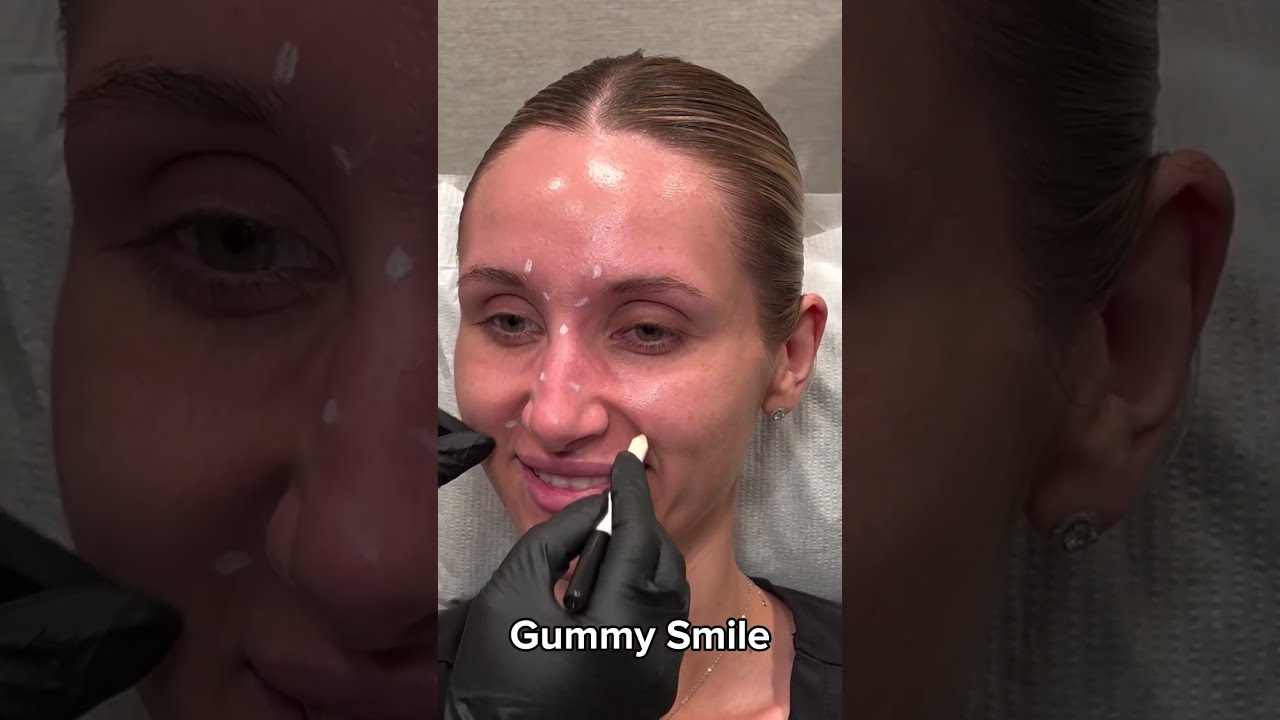
When you hear a provider mention “stacking” treatments, the aim is not to sell every service on the menu. It is to solve the specific problem you have identified using the least invasive path that works. For a gummy smile, a tiny dose to the lip elevators may be all you need. For prominent neck bands, platysmal botox may alone soften cords, or it might pair with energy-based tightening if skin laxity is part of the picture.
Safety, side effects, and how to reduce risk
Safe botox begins with the right patient and ends with the right technique. Not everyone is a candidate. You should avoid botox while pregnant or nursing. Discuss neuromuscular disorders, certain antibiotics, and bleeding disorders with your provider. A detailed medical history is not a formality. It guides safe dosing and reduces the risk of complications.
Common side effects include short-lived redness, tiny bruises, and a mild headache, particularly after glabellar injections. Temporary eyelid droop is uncommon when injections are placed properly, but it can happen if product diffuses into the levator muscle. This risk drops when you avoid rubbing the area and follow aftercare. Injection site tenderness fades quickly. For medical botox in the masseter, mild chewing fatigue can occur for a week or two as the muscle adjusts, then settles with relief of clenching.
A word on “migration.” Botox does not crawl around your face days later. Diffusion occurs within hours of injection, which is why aftercare matters most on day one. Choosing a skilled injector who respects anatomic boundaries and uses conservative volume reduces risk more than any tip you find online.
Cost, pricing models, and getting value
Botox cost varies by geography, provider experience, and whether a clinic charges per unit or per area. Per-unit pricing is transparent because you pay for the precise amount used. Per-area pricing can be fine if the clinic discloses the typical unit range and adjusts for muscle strength. Affordable botox does not mean bargain-basement. If clinic pricing looks too good to be true, ask about product source, dilution, and who is injecting.
A realistic budget for a first cosmetic session in many US cities ranges widely, often starting a few hundred dollars for a small area and rising with multiple zones or medical indications. Masseter treatment and hyperhidrosis require larger doses and cost accordingly. Value comes from calibrated dosing and results that last. A poor result is expensive even when cheap, because you will still pay time and emotional cost waiting it out.
A realistic timeline from idea to results
Most clients book a consult two to four weeks before an event. That allows a cushion for the two-week full effect window and any small tweaks. If wedding photos or headshots are on the calendar, plan further ahead. For jaw slimming, the aesthetic change develops gradually as the masseter thins from disuse over several weeks to months. For migraine or hyperhidrosis, expect relief to build over a cycle or two.
Botox maintenance becomes a rhythm. Some clients combine it with seasonal skincare, like a spring refresh before summer or a fall plan after sun-heavy months. Consistency offers a secondary advantage: over time, the muscles learn a new normal, and many people need fewer units to hold the same result.
How to choose the right clinic and avoid regret
Look for a botox clinic that encourages questions. You should feel comfortable asking about the injector’s training, how they handle complications, and what their philosophy is on natural movement. Review their portfolio for faces and features that resemble yours. If a clinic posts only heavily filtered images or identical “frozen” foreheads, consider that a red flag.
Read policies on follow-ups and touch-ups. Quality practices schedule a check at two weeks for first-timers and adjust as needed. They also keep detailed charts with mapping and units so every botox session builds on the last rather than restarting from scratch. That record keeping is the backbone of safe botox maintenance.
The consultation itself should feel like a conversation rather than a sales pitch. You describe what bothers you. They watch you animate and point to muscles at work. Together you set a plan that covers priorities, sequence, and budget. If you leave feeling rushed or unclear about dosing, placement, or aftercare, keep looking.
Special areas and edge cases that benefit from nuance
Brows and eyelids: A heavy forehead can be a structural issue, not something botox can fix alone. If your eyelids already hood, an aggressive forehead treatment can make you feel heavier. In such cases, a conservative dose that handles the most bothersome lines, paired with lateral brow support, can provide a mini lift. Remember that each face has unique frontalis muscle patterns. Your friend’s dose is not yours.
Neck bands: Platysmal bands respond well to precise dosing, but too much can affect swallowing or create an odd smile if injections spread laterally. A light hand and correct spacing matter. If skin laxity is the dominant concern, consider tightening procedures alongside botox neck bands treatment for the best outcome.
Gummy smile and lip flip: Tiny doses can relax the elevator muscles that pull the upper lip high or roll the top lip outward slightly. That said, over-treatment here can make sipping through straws or pronouncing certain sounds feel awkward for a week or two. Your lifestyle and comfort with short-term trade-offs should guide the decision.
Masseter reduction: Botox jaw slimming is both functional and aesthetic. People often report less morning jaw pain, fewer tension headaches, and slimmer lower face lines over time. A measured approach prevents hollowing under the cheekbone or sagging from sudden size changes in the muscle. I often start with a moderate dose, reassess at 8 to 12 weeks, and shape over a few cycles.
When you might not be ready
If your primary concern is skin texture from acne scarring, enlarged pores, or sun damage, botox can make lines look smoother by reducing motion, but it will not rebuild collagen where it has been lost. A botox facial treatment can be part of a broader plan, but you might see more value starting with resurfacing or medical skincare.
If you are in a moment of major life stress and hoping botox will fix how you feel, pause. While many clients feel a boost seeing smoother lines, botox is not mood therapy. It is a tool. The best outcomes come when you are steady enough to judge results fairly and follow aftercare.
If you have unrealistic expectations, such as believing botox will lift jowls or replace a brow lift, a frank conversation with a botox specialist can recalibrate goals. Honest guidance is part of safe botox.
A simple pre-visit checklist
- Clarify your top one or two goals and bring reference photos if helpful. List your medications, supplements, and any history of neuromuscular conditions or migraines. Avoid blood-thinning supplements like fish oil, high-dose vitamin E, and alcohol for 24 to 48 hours beforehand if possible to reduce bruising. Schedule your botox appointment at least two weeks before key events so you can evaluate results. Plan light activity on treatment day and skip hot yoga, saunas, and facials until the next day.
Aftercare that actually matters
You do not need an elaborate routine after botox injections. What you do need is common sense and gentle handling of the treated sites. Keep your hands off your face, especially if your fingers tend to wander to your temples when you think. Apply makeup with soft dabbing, not pressure, if you must. Sleep on your back on night one if you can. Resist facials, deep massages that involve the head or neck, and tight headwear for 24 hours. If a small bruise appears, a dab of concealer is fine. If a headache arises, simple pain relief like acetaminophen generally works for most people. Your botox specialist can advise you based on your health history.
What success looks like
You wake up and your face feels unfurrowed, even before coffee. You scroll through photos and no longer crop out your forehead. Your jaw is quieter when you focus. Your shirts stay dry through meetings. None of these are dramatic transformations, but small improvements accumulate. Botox skin smoothing leads to less makeup settling. Relaxed facial muscles mean fewer lines deepen over time. The cumulative effect is a face that reads more like you feel.
People often say, “I just look like I got good sleep.” That is the sweet spot of botox facial aesthetics. Not frozen, not obvious, just softened where you want softness and functional where tension held too much of your day.
Final thoughts before you book
If your reflection and your energy do not match because of lines driven by movement, or if medical symptoms like migraines, jaw clenching, or excessive sweating grind you down, it is time to talk with a botox specialist. Bring your questions. Ask to see their typical botox treatment options for cases like yours. Discuss botox safety and side effects in plain terms. Review botox pricing and map a maintenance plan that fits your calendar and budget.
The decision is personal, but the path is straightforward with the right guide. Whether you choose a subtle baby botox refresh or a targeted medical botox plan, a skilled injector will keep your features, not their technique, at the center of the work. That is the mark of the best botox services: results that help you move through the day with less strain and more ease, while looking exactly like yourself.